The Gatekeepers Are Dead: How Losing the A&R Department Saved Hip-Hop's Soul
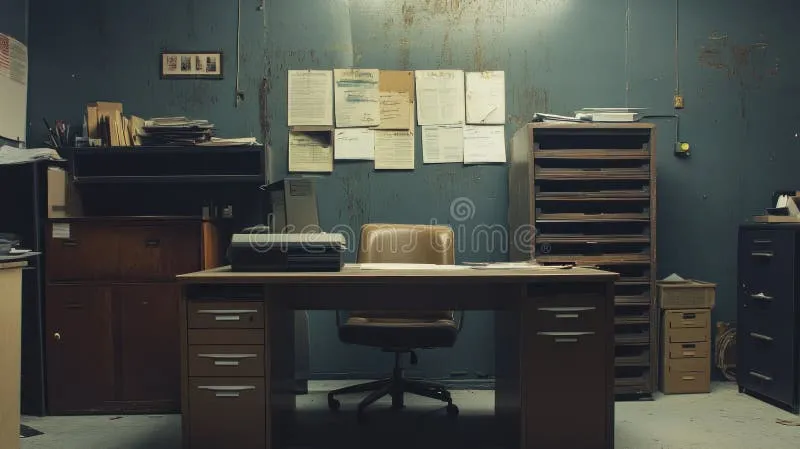
Photo: empty office boardroom with dusty music demo tapes and old cassette, via thumbs.dreamstime.com
There was a time — not that long ago — when the future of rap music sat in a handful of offices in New York and LA. A&R reps, the so-called "artists and repertoire" people, would hit the clubs, sift through demo tapes, and decide which voices deserved to reach your ears. One guy's taste. One company's budget. One narrow doorway to the culture.
That door just got kicked off its hinges. And I'm here to tell you: that's the best thing that ever happened to this music.
The Old Machine Had One Good Ear and Zero Imagination
Let's be real about what the A&R system actually was. Sure, some legends found genius — but the system as a whole was a bottleneck built on fear. Labels signed what already sounded like last year's hit. Regional sounds died in conference rooms because some exec in Manhattan couldn't hear what a kid in Memphis or the Bay already knew was next.
How many scenes got watered down or straight-up buried because they didn't fit a spreadsheet? How many rappers got reshaped into radio-friendly approximations of themselves? The gate wasn't protecting quality. It was protecting comfort.
The Algorithm Doesn't Care About Your Rolodex
Now the discovery pipeline looks completely different. A kid records on a $200 setup in his mama's basement in Flint. It hits SoundCloud on a Friday. By Monday, it's in a TikTok edit, a YouTube reaction, and a playlist in Berlin. Nobody asked permission. Nobody needed a co-sign.
Streaming platforms, viral moments, and Discord communities have become the new A&R — except this version is run by the audience itself. Millions of listeners voting with their clicks every single day beats one middle-aged exec with a marketing deck. The streets curate themselves now, and they're doing a better job.
Look at what's thriving without corporate fingerprints: drill out of Chicago and New York, the hyper-regional bounce of Detroit and Milwaukee, lo-fi scene rap bubbling out of every mid-size city in America. None of that came from a boardroom. It came from scenes feeding themselves.
Raw Is the Product Now
Here's the part I love most. When artists don't have to survive a label's focus group, they don't sand off the rough edges. They stay weird. They stay local. They rap in their own accent about their own block.
That rawness used to be a liability — something to be "fixed" before release. Now it's the whole appeal. Fans can smell authenticity through the speakers, and DIY artists deliver it by default because nobody's there to dilute it. The imperfection IS the sound. The unfiltered voice IS the brand.
And the business side? Independent distribution through DistroKid, TuneCore, and UnitedMasters means an artist can be on every platform by tomorrow morning, keeping 80 to 100 percent of their royalties. Direct-to-fan sales on Bandcamp. Merch drops on Instagram. Tour money that stays in their own pocket. The infrastructure that used to require a label now fits in a laptop bag.
Don't Get It Twisted — This Ain't Utopia
I'm not going to romanticize the whole thing. The algorithm is a fickle master. Virality can be a lottery, and going viral doesn't pay the rent if you can't convert the moment into a real fanbase. Playlists can be gamed. Bots are real. Some of the same corporate money just moved from A&R budgets to influencer marketing budgets.
And without a development system, a lot of young artists learn business lessons the hard way — bad splits, stolen beats, publishing they didn't understand. The old gate is gone, but the hustle got harder in some ways, not easier. You're not just the artist anymore. You're the label, the manager, the marketer, and the accountant.
But here's the difference: the mistakes are YOURS now. The wins are yours too. That trade is worth it every time.
Why This Is Exactly What Hip-Hop Needs
Hip-hop was born outside the system. It came from park jams in the Bronx, from kids who had no access to studios or radio and built a culture out of what they had. The genre has always been at its best when it's speaking from the bottom up — when the sound comes from the block before it hits the boardroom.
For a couple decades, the industry inverted that flow. Now it's flipped back. The most exciting rap in America isn't being developed — it's being discovered, scene by scene, phone by phone, show by show. The gatekeepers are gone, and what rushed through the gate is the culture itself, unedited.
So next time somebody tells you the game is oversaturated, that there's too much music out here? That's not a bug. That's the point. Every voice that would've gotten shelved in 1998 is out here right now, finding its people.
No filters. No permission slips. Just rap.
The way it was always supposed to be.