Own the Masters, Own the Block: 10 Indie Rappers Who Kept Everything
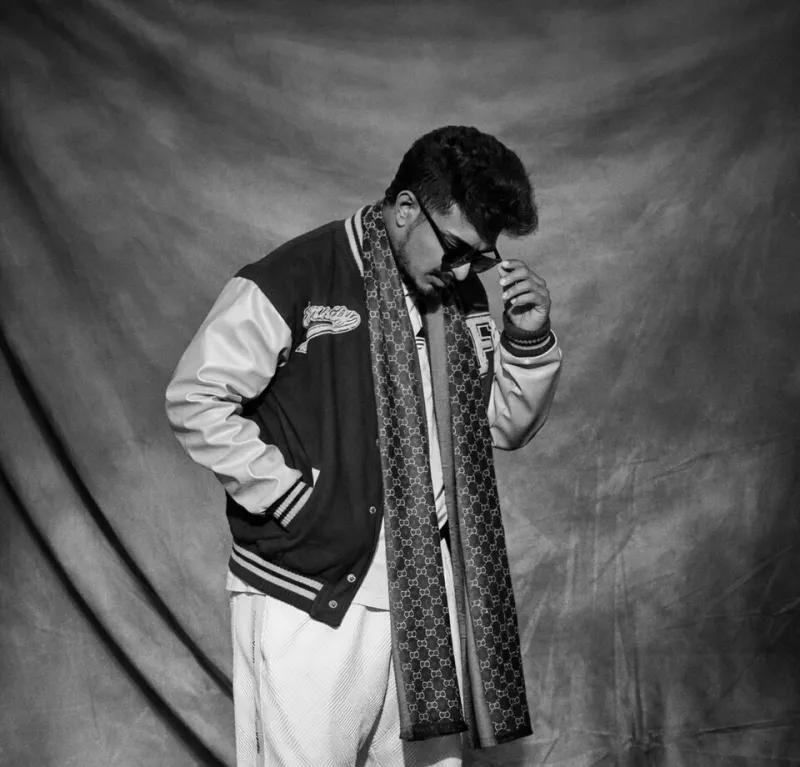
Photo: Rapculture03, CC0, via Wikimedia Commons
Let's keep it a hundred. For decades, the story went like this: you spit fire at the local open mic, some suit from the coast slides you a contract, and you sign your life away for an advance that evaporates before the video drops. Most of y'all know how that ends — broke and owned.
But a new generation of underground rappers flipped the script. They looked at the major label machine and said "nah." They uploaded to SoundCloud, pressed vinyl on Bandcamp, slept in vans between gigs, and came out the other side owning every single master they ever recorded. That's not luck. That's strategy.
Here are ten artists who proved you can eat without signing your name on the dotted line — and the moves they made to get there.
1. Tech N9ne — Built Strange Music From the Trunk Up
Kansas City's hardest-working man in rap didn't wait for a co-sign. Tech co-founded Strange Music in 1999 and turned relentless touring into a nationwide cult following. We're talking 200 shows a year, meet-and-greets after every set, and a fanbase that buys merch like it's a religion. When major money came calling, he didn't need it. Ownership meant leverage, and leverage meant the whole pie.
The lesson: Touring isn't a cost center — it's a customer acquisition strategy.
2. Chance the Rapper — Coloring Outside the Label Lines
The Chicago kid turned down label offers after 10 Day and Acid Rap blew up, then released Coloring Book as a streaming-exclusive that made Grammy history without a traditional sale. Chance monetized the tour, the merch, and the moment — not the album itself. Free music, paid everything else.
The lesson: Give the music away if the ecosystem around it prints.
3. Macklemore & Ryan Lewis — The Independent Heist
Before anybody argues about this one, look at the receipts: The Heist topped the Billboard 200 with zero major label backing. They hired their own publicist, booked their own radio push, and "Thrift Shop" became inescapable off their own dime. Indie doesn't mean small. It means you keep the checks.
The lesson: A well-funded indie campaign can outspend a lazy major rollout.
4. Nipsey Hussle — Proud 2 Pay and the $100 Mixtape
Nipsey turned scarcity into a business model. One thousand physical copies of Crenshaw at $100 a pop, Jay-Z reportedly copping a hundred of them, and the legend of the marathon was cemented. He owned his masters through All Money In No Money Out and invested back into the block — literally, with the Marathon Clothing store in his old neighborhood.
The lesson: Control the distribution and the narrative at the same time.
5. Russ — The Self-Made Production Line
Russ produced, mixed, mastered, and engineered his own catalog for years before the world caught up. Hundreds of songs on SoundCloud, no co-sign, no features begging. When the numbers spoke, he negotiated from a position of power instead of desperation.
The lesson: Every skill you learn in the bedroom studio is a dollar you don't owe somebody later.
6. Tech's Contemporaries: The Griselda Wave
Westside Gunn, Conway the Machine, and Benny the Butcher built Griselda out of Buffalo with muddy loops and street tales, pressed limited vinyl runs that sold out in minutes, then partnered with Shady on their own terms — not as owned artists, but as owners bringing their imprint to the table.
The lesson: A partnership deal beats a signing deal if you bring the buzz pre-packaged.
7. Tech N9ne's Spirit Animal: Atmosphere and Rhymesayers
Minneapolis duo Atmosphere helped build Rhymesayers into one of the most respected indies in the game. Slugs and Ant toured the college circuit and coffeehouse scene for years, cultivating a fanbase that showed up every cycle. No radio, no problem — just consistency.
The lesson: Slow growth is still growth, and it compounds.
8. Death Grips — Noise That Paid Itself
Sacramento's most chaotic export went from MySpace uploads to Epic, walked away, and kept releasing free music on their own terms. The mystique, the refusal, the noise — it all became the brand. Sometimes the boldest business move is telling the machine to kick rocks.
The lesson: Scarcity and attitude can be worth more than a marketing budget.
9. Tech and the Tech Nine School: Hopsin's Funk Volume Play
Hopsin built Funk Volume with wild visuals and YouTube muscle, touring relentlessly and selling out rooms overseas before most signed artists could fill a hometown bar. He famously walked away from label situations that wanted his masters and kept building solo.
The lesson: YouTube views translate to venue tickets if you treat the channel like a business.
10. Mick Jenkins and the Bandcamp Blueprint
The Chicago spitter leaned on Bandcamp and thoughtful releases to build a dedicated listenership without chasing playlist clout. Fans pay directly, the artist keeps the lion's share, and the catalog stays clean for whatever the future holds.
The lesson: A thousand true fans who pay beats a million who stream and forget.
The Takeaway for the Ones Still Grinding
Every name on this list shares the same DNA: they treated rap like a business before anybody treated them like a star. They owned the masters, controlled the rollout, and turned fans into a movement instead of an audience.
So if you're out here spitting at open mics in Atlanta, Houston, Detroit, or wherever your scene lives — stop dreaming about the deal and start building the asset. The majors will still be there later, and you'll be negotiating from the top of the table instead of begging at the door.
Own your sound. Own your story. Own the block.