Spin Cycle Cinema: How Underground Rap Turned a $300 Budget Into a Look

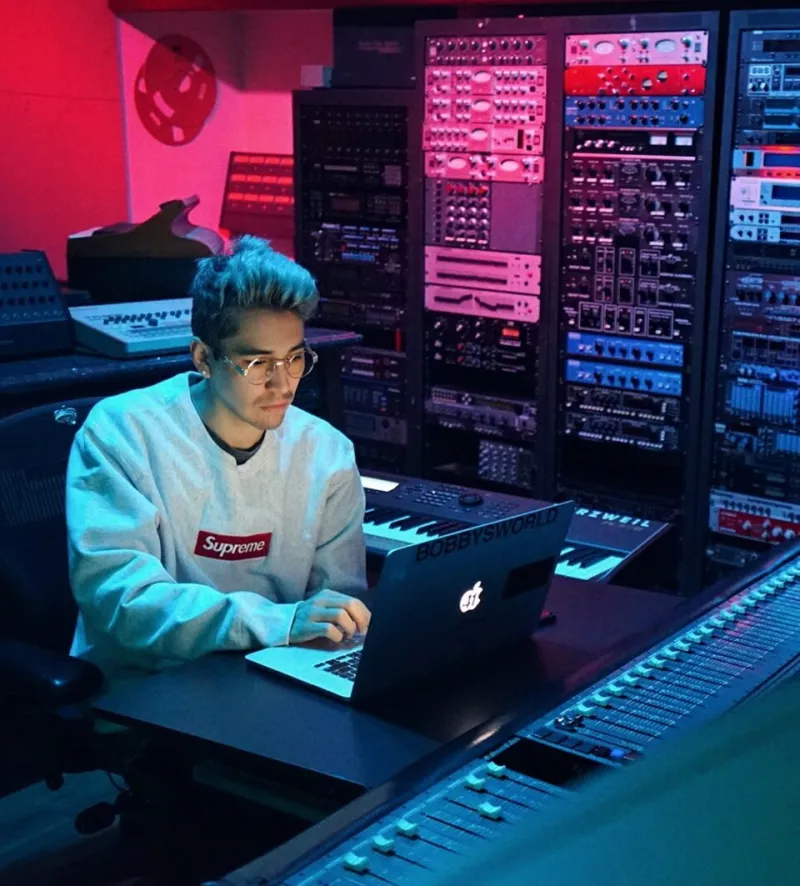
Photo: midnight laundromat neon rap video shoot, via s.widget-club.com
At 12:40 a.m. on a Tuesday, the only light in the laundromat comes from a row of dryers and one phone flashlight. A rapper named Duce stands between the folding table and the change machine. The director, a 24-year-old who goes by Lowlight, is crouched behind a shopping cart, framing a shot through the gap between two washers. The budget is $300. Not $300 for craft services. The whole shoot.
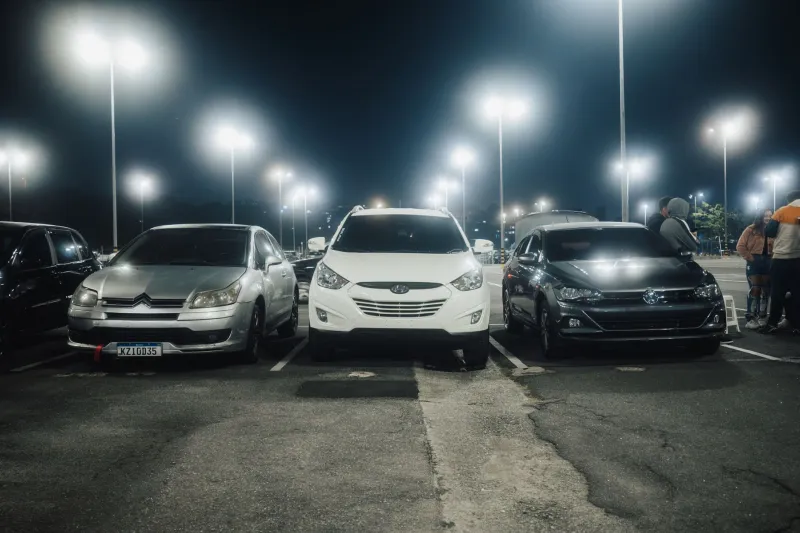
This is not a compromise anymore. It is a genre. In 2026, the most memorable underground rap visuals are not coming from rented studios with cyclorama walls and a smoke machine. They are coming from places that already have stories in the walls: laundromats after last wash, liquor-store parking lots under flickering sodium lights, barbershops with the chairs stacked, grandmother's living room with the plastic still on the couch.
The Receipt
Here is a real breakdown from a shoot like this: $75 for the director, $50 for the editor, $60 for gas and rides, $45 to keep the machines running and the owner happy, $35 for two LED panels from a pawn shop, $25 for food, $10 for a memory card from the gas station. That is $300. No permit. No insurance. No rental house. The camera is a used DSLR or a phone with a cracked corner. The crew is two people and whoever came to hold the reflector, which is usually a piece of foam board from the dollar store.
The owner gets $45 and a promise that the name on the sign will not be in the frame. The rapper gets a video that looks like the block because it is the block. The director gets a credit and maybe a gas card. Nobody gets rich. That is the point.
Why Constraints Win
Lowlight says the lack of money forces decisions that a bigger budget would blur. 'You cannot light a laundromat like a soundstage, so you stop trying,' he says. 'You find the one fluorescent tube that flickers. You put the rapper under it. The machine spins behind him. The hum becomes part of the record.'
That is the whole argument. When you have no crane, you use the parking lot slope and a shopping cart. When you have no dolly, you put the camera in a laundry basket and slide it across the tile. When you have no extras, you use the guy who works the night counter and tell him to look natural. The result is not polished. It is specific. And specific is what people remember.
A rented studio can look like everyone else's rented studio. A laundromat at midnight looks like your laundromat at midnight. The algorithm rewards recognition, but the block rewards place. Those are not the same thing.
The New Visual Language
The visual vocabulary is already set. Fluorescent green. Wet asphalt. A subwoofer in the trunk of a parked car. A stack of quarters on a folding table. A rapper walking through a aisle of detergent like it is a runway. The camera shakes a little because the director is laughing. The frame is off because the rapper's boy is holding the light and trying not to drop it.
Directors are not chasing lo-fi for the aesthetic. They are chasing the truth of the room. A liquor-store parking lot at 1 a.m. says more about the song than a white wall with a rented couch. A family living room with a graduation photo on the wall says more than a warehouse with a fog machine. The constraints are not the limitation. They are the style.
What $300 Actually Buys
The $300 video is a community subsidy. It works because friends show up for free, because the director edits on a laptop with a dying battery, because the rapper's cousin knows the laundromat owner, because somebody's car has a full tank and nobody asks for gas money until later. The budget is small, but the favor economy is huge.
That is also the risk. The favor economy burns people out. The director who shoots for $75 and edits for $50 is not making a living. The friend who holds the light all night is not getting paid. The owner who says yes for $45 is taking a chance on a crew that might leave a mess. The $300 video looks cheap on paper. It is expensive in time.
But the point is not to pretend the budget is sustainable. The point is to admit what the scene already knows: the most honest rap videos are being made by people who cannot afford to fake it. The laundromat is not a set. It is a room. The parking lot is not a backdrop. It is a corner. The video is not trying to look expensive. It is trying to look true.
And right now, true is winning.