Block Returns: How Street Hustlers Turned the Same Skills Into Real Estate, Restaurants, and Seven-Figure Moves
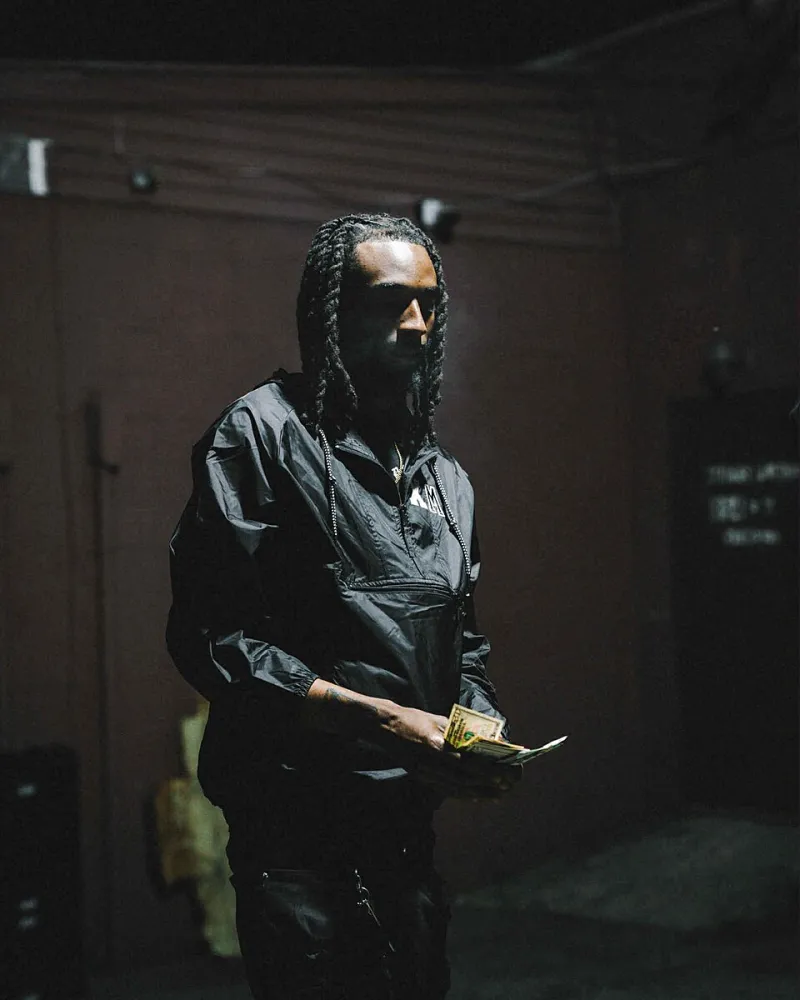
Photo: Unknown, CC0, via Wikimedia Commons
Let's kill a myth real quick: the hustle doesn't die when the money gets legal. It just changes uniforms.
The same cat who could flip a ounce into three, keep the books straight in his head, manage a crew of unpredictable personalities, and read a block before stepping on it? That's a CEO. He just didn't have a business degree — he had a crash course most MBA students couldn't survive.
This is a look at rappers who took those street-honed instincts and built legitimate empires, plus the lessons any indie artist can run with right now, label money or not.
The Corner Store Was Always Business School
Before the plaques, before the tours, a lot of these dudes were running operations. Scheduling people. Managing cash flow. Handling risk. Negotiating with people who absolutely did not have their best interests at heart.
That's not a criminal resume. That's an operations manager's job description.
When Nipsey Hussle talked about owning the strip mall on Slauson, he wasn't talking nostalgia — he was talking equity. The Marathon store wasn't a merch booth; it was the anchor of a real estate play in a neighborhood the banks had redlined for decades. He understood something the industry never taught him: the person who owns the building eats forever. The person renting it eats until the lease runs out.
From Trap Phones to Tech Stakes
Look at the broader map and the pattern repeats.
- 50 Cent didn't just get lucky with Vitamin Water. He negotiated equity instead of a fat check — took a stake in a company he believed in and walked away with a nine-figure payday when Coca-Cola bought it. That's not celebrity endorsement. That's venture capital with a street education.
- Rick Ross turned the Wingstop franchise game into a portfolio play, opening dozens of locations and talking openly about the math — labor costs, margins, locations. He treats franchising like a mixtape run: flood the market, keep quality control tight, collect at the door.
- Master P built No Limit as a fully independent operation in the late '90s — pressing his own records, controlling distribution, then rolling the profits into everything from a phone card company to a food brand. The label was the first business, not the only one.
- JT of City Girls has talked openly about the financial literacy she picked up in federal prison — reading books on investing while serving time and coming home with a plan. That's the mindset shift in its purest form: learn the game wherever you are.
Different lanes, same principle. The hustle is asset acquisition. Whether the asset is a burner, a beat, or a building, you're always trying to end the day owning more than you started with.
The Indie Artist's Translation Guide
You're probably not getting a check from a major. Good. That means you get to build like they did — from the ground, with your name on everything. Here's the practical version:
1. Turn the side hustle into the main business. If you're already cutting hair, detailing cars, or catering out your grandmother's kitchen, formalize it. LLC, business bank account, the boring stuff. Now your rap money and your business money can feed each other, and the IRS treats them differently too. Talk to a tax pro — this paragraph is not legal advice.
2. Buy local before you buy chains. A used car you own outright beats a leased German sedan every time. A food truck, a vending route, a storage unit you sublet — these are unsexy, cash-flowing assets that don't care whether your last single flopped.
3. Negotiate equity, not just fees. When a local brand wants you to perform at their event or promote their product, ask what ownership looks like. A percentage of the door, a cut of merch, a stake in something growing. 50 Cent's whole playbook in one sentence: take the point, not the paycheck.
4. Keep the crew structure but clean the books. You already know how to organize people. Now put it in writing. Contracts, splits, roles. Street organizations run on loyalty; real ones run on loyalty AND paperwork.
5. Reinvest in the block. Nipsey's real legacy isn't the store — it's the proof that money circulating in your own neighborhood compounds. Hire local. Buy local. Build where they can't price you out because you're already the price-setter.
The Real Flex Is the Balance Sheet
The culture loves the comeback story, but we don't celebrate the boring part enough: the credit score, the LLC filing, the first rental property with a tenant who pays on time. That's the new street truth. The realest thing an artist can own isn't a reputation — it's a deed.
The corner store taught you everything. The corner office is just the corner store with better lighting and a lease you'll never sign again.