Fifteen Years of 'About to Blow': In Defense of the Rapper Who Never Leaves the Block
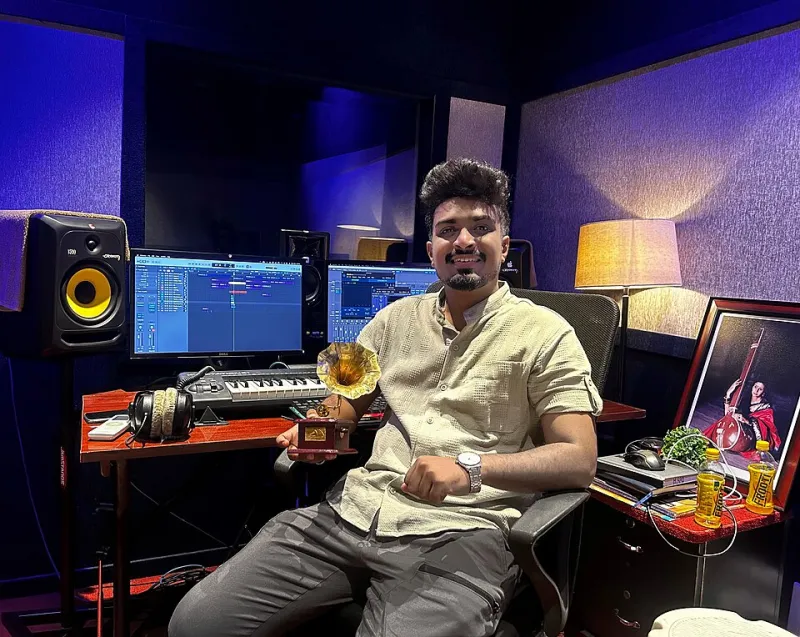
Photo: Rapculture03, CC0, via Wikimedia Commons
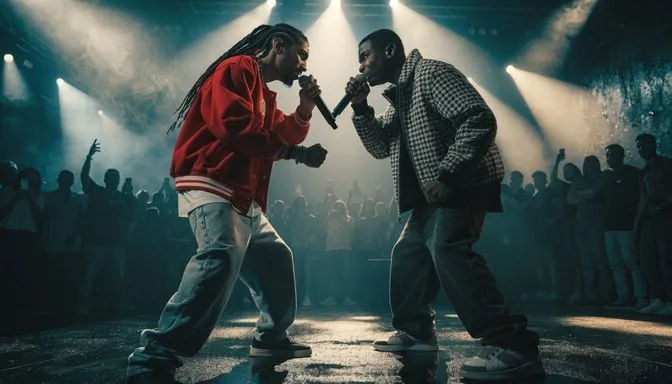
Every city's got one. The dude whose name is on the wall of every smoke shop from the eastside to the suburbs. The one who sold out the 300-cap room three years running but never left the regional circuit. The one your cousin swears is 'about to blow' — and has sworn, consistently, since roughly 2009.
I used to think these guys were stuck. I was wrong. Some of them are parked. On purpose.
The Math Nobody Wants to Do
Let's talk numbers, because nobody in rap ever does.
The hometown legend playing four guaranteed local shows a year, pulling 200 heads a night at $20 a ticket, moving merch at a 60% margin, with a day job that pays the rent? That's a functioning small business. It's not glamorous, but it's his. He owns the crowd, the calendar, and the catalog. Nobody at a label can shelve him, drop him, or redesign his sound for a playlist.
Now run the other scenario. Sign the deal, chase the algorithm, tour the country on splits that eat the van money. Most artists who take that leap don't come back with a career. They come back with a story and a debt.
The local legend looked at both options and chose the one where he's king of a small kingdom instead of a peasant in a big one. That's not fear. That's portfolio management.
The Day Job Is a Feature, Not a Shame
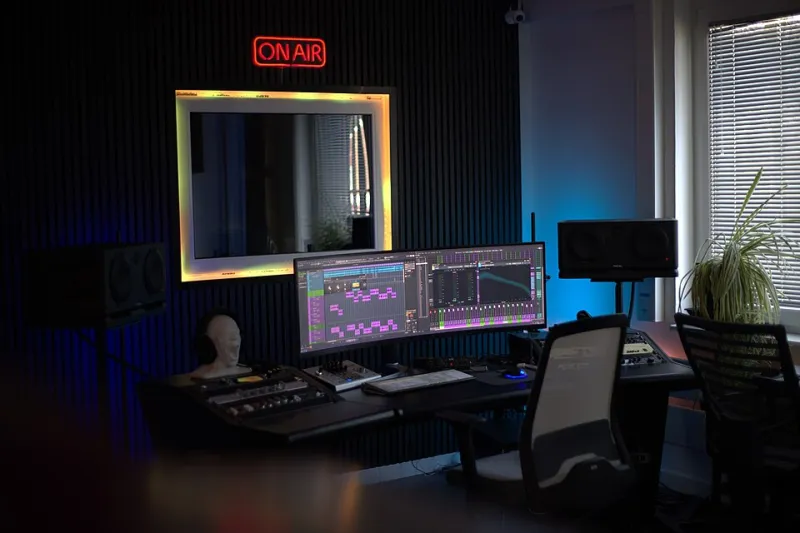
There's a particular dignity in the setup: warehouse shift till six, studio till two, show on Saturday. The day job isn't a failure state — it's cover. It's leverage. An artist who doesn't need the music to pay rent can't be rushed, lowballed, or pressured into a bad deal.
I watched a hometown fixture in Atlanta turn down a 'development deal' that would've had him owing his advance back twice over. His exact words: "I make more at the plant than that contract pays, and the plant don't own my masters." He's still doing his thing. Still selling out the same room. Still free.
Meanwhile, how many 'next up' artists from the last decade are completely gone? You don't hear their names anymore because the machine chewed them up in eighteen months and spit them back to their hometowns anyway. The legend skipped the middleman and just stayed home.
The Scene Needs Its Anchors
Here's the part that really matters: a scene without local legends isn't a scene. It's a waiting room.
The guy who's been holding down the city for fifteen years is the one who books the all-ages venue when nobody else will. He puts the eighteen-year-old producer on the bill. He lends out the mic, the mixer, the connect. National fame is a lottery ticket. Local infrastructure is a public utility.
When a city's underground is healthy, it's because somebody decided to stay and build instead of leaving for the coasts. Every major rap city — Atlanta, Detroit, Memphis, the Bay — was built on artists who were famous there first and let the world catch up on its own schedule.
The Blow-Up Nobody Documents
Does every local legend secretly dream of the big stage? Sure. Probably. But there's a version of success the industry can't see because it doesn't show up on a chart: the artist who's been paid, respected, and free for fifteen straight years in the place he actually lives.
That's not 'never made it.' That's a guy who looked at what 'making it' costs and said the price was wrong.
So the next time somebody tells you about the homie who's 'about to blow' and never does, maybe stop calling it stagnation. Some men plant trees. Some men are the tree — rooted exactly where they stand, giving shade to everybody coming up behind them.
The grind doesn't always point up. Sometimes it points in. Deeper into the block. Deeper into the community. Deeper into ownership.
Rest in peace to the myth of the local legend as a cautionary tale. Some of these guys are living the best ending in the business.