Nobody Makes Hits at Noon: Inside the 3 A.M. Sessions That Keep Underground Rap Alive
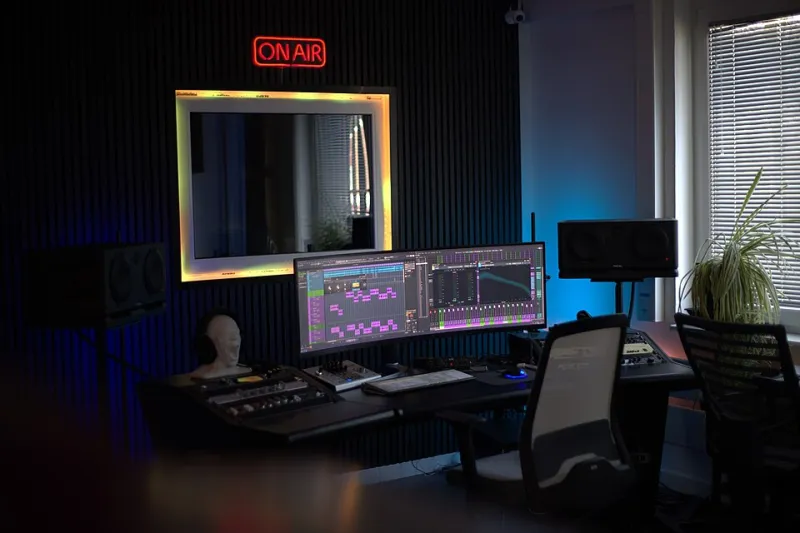
Photo: Xalo Mustafa, CC BY-SA 4.0, via Wikimedia Commons
The Session Doesn't Start Until the City Shuts Down
There's a moment every night — somewhere around 1:30 a.m. — when the traffic dies, the group chats go quiet, and the only people still moving are bakers, nurses, and rappers. Ask anybody who's spent real time in underground hip-hop and they'll tell you the same thing: that's when the magic happens.
I've been in studios at every hour of the day, and I can count on one hand the number of hard verses I've heard recorded before dark. There's a reason for that. Daylight is for jobs, errands, and small talk. Midnight is for truth.
Atlanta: The Bedroom Is the Boardroom
Down in Atlanta, the after-hours studio isn't a vibe — it's an institution. Metro Boomin famously made beats before he could legally get into the venues playing his records, and that DNA never left the city. Drive through Clayton County or Decatur at 2 a.m. and you'll pass a dozen houses with a blue light glowing through the blinds, an R&B loop leaking out of a cracked window.
A producer I'll call Tre (he didn't want his publishing name in print) runs a setup in a converted garage off Memorial Drive. His rate is $30 an hour, cash or Cash App, and his booking calendar is exclusively after midnight.
"Daytime clients are hobbyists," he told me, leaning back in his chair while a session singer laid down a hook for the fourth time. "The ones that pull up at 2 a.m. after their shift? They're hungry. They already sacrificed sleep, gas money, and probably a relationship to be here. That desperation sounds good on tape."
Chicago: Basement Acoustics and Basement Prices
Chicago's underground operates on a different clock. The drill scene grew up in basements because that's what was available — cheap, private, and insulated enough that the neighbors only half-complain. Engineers on the South Side will tell you a basement with moving blankets on the walls beats a $75-an-hour downtown room for one simple reason: nobody's watching the clock.
That's the hidden economics of the late-night session. Commercial studios charge by the hour, and the meter changes how people rap. When you're burning $60 an hour, you rush takes. You settle. When the studio is your cousin's basement and the only cost is a gas-station run and a pack of Backwoods, you can do a verse twenty times until it actually sounds right.
The Ritual Is the Recipe
Every after-hours spot has its own liturgy. The session doesn't start with a beat; it starts with food — usually whatever's still open, which in most American cities means Waffle House, a taco truck, or the gas station on the corner that knows everybody's order. The first hour is conversation: who got robbed, who got signed, who's not to be trusted anymore. Nobody touches a microphone until somebody's story is on the table.
That's not wasted time. That's the actual product. Rap at its best is testimony, and testimony requires an audience you trust. The 3 a.m. session is the only room in America where a man can say what he actually means out loud without consequences — and then record it.
An engineer in Brooklyn put it to me like this: "People ask why I don't work days. I don't work days because nobody tells the truth at noon."
Why the Sun Ruins Everything
There's a physiological layer to this too, and it's not mystical. Melatonin, fatigue, lowered inhibitions — the 3 a.m. brain is looser. The internal editor that tells you a bar is too raw or too honest clocks out around the same time everyone else does. What's left is instinct, and instinct is what separates a verse from a paragraph.
The isolation matters too. At night, there's no FOMO pulling at you. Nobody's posting anything worth watching. The phone is a beat-making tool and nothing else. The session becomes the whole world, and the best engineers know how to build a cocoon out of that.
The Grind Doesn't Have Business Hours
Here's the part the industry will never understand: you can't schedule authenticity. Label sessions run from 11 to 6 with a lunch break and a vocal producer on salary. That's manufacturing. The after-hours session is something older — it's the same impulse that made people cypher on corners and rap into cassette decks with the radio playing low.
Streaming flattened the playing field in a lot of bad ways, but it did one good thing: nobody knows or cares when your song was recorded. A verse cut in a Chicago basement at 4 a.m. competes with a track made in a Malibu compound, and the algorithm doesn't check addresses.
So if you're coming up right now and you feel like something's wrong because you do your best work when everybody else is asleep — nothing's wrong. You're in the right time zone. The city sleeps, the tape keeps rolling, and somewhere in America, at this exact moment, somebody just found the line that's going to change their life.
Keep the light on. Or better yet, turn it off.