Six Mics, One Check: In Defense of the Posse Cut
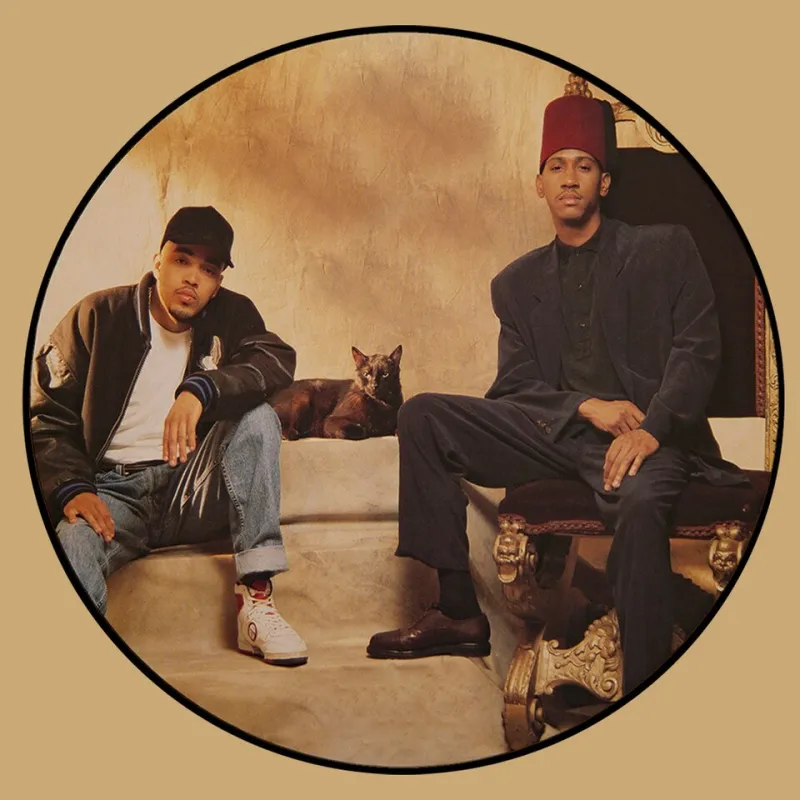
Photo: Carol Friedman, CC BY 3.0, via Wikimedia Commons
There's a moment in every great posse cut where the beat stops caring about anyone's brand and just starts rolling downhill. Sixteen bars, next man up, no hook in sight. Somebody runs out of breath. Somebody else blacks out and steals the song. That moment is the closest thing rap has to a pickup basketball game, and it's disappearing because it's a pain in the ass to organize.
The Form Used To Be a Roll Call
Go back through the canon and the posse cut was how a scene announced itself — the label roster, the borough, the crew, the entire extended family on one track. The tradition is long and loud, and it's survived every era because the appeal is structural: a lot of voices, one beat, no room to hide.
These days the economics run the other way. Everyone's a solo artist with a solo rollout, a solo distributor account, and a solo content calendar. A group project gets no algorithm love, splits whatever revenue exists into six slices of nothing, and takes a month of group-chat diplomacy to finish. So why bother? Because the form does something no single-track rollout can.
The Group Chat Is the A&R
A posse cut usually starts with one person deciding to be the adult. There's a beat, there's a hook, there's a list of five names, and there's a group chat that will become the most annoying place on earth for the next six weeks.
Coordinating six rappers is a genuine logistics problem. Everybody has a day job. Everybody has a different recording situation — one has a closet and a decent mic, one records at a storage spot, one only works with the engineer who charges forty an hour. One guy will send a verse in two days. One guy will send a verse in two months. One guy will send a voice memo recorded in a car and swear it sounds fine.
Whoever runs the session ends up being producer, project manager, therapist, and debt collector. That person deserves a credit on the song more than half the people rapping on it.
Who Actually Pays for Six Verses
Someone eats the cost. Sometimes it's a shared studio night split six ways, which is the cleanest version. Sometimes one rapper fronts the engineer and the video shoot and quietly absorbs the loss because the song is good for the scene. Sometimes the beat was free, the engineer is a friend, and the whole thing costs a case of beer and four hours.
Revenue is a joke. A posse cut with six artists and a modest indie following might pull a few thousand streams. Split six ways after the distributor's cut, that's a number you shouldn't look at directly. The return isn't money. It's the clip of the whole crew running out at a show when the beat drops. It's the fact that six audiences now know six more names. It's the roll call doing what a roll call is supposed to do.
The Weak-Link Problem
Here's the part that makes posse cuts valuable and terrifying: they expose people. Sixteen bars with no hook to hide behind is a referendum. If your verse is a warm-up, everybody hears it. If you're coasting on a good beat and a good mix, it shows up next to someone who isn't coasting.
That sounds harsh, but it's the healthiest thing a scene has. A city's rap community should have at least one place where the hierarchy gets tested in public, on the same beat, with the same engineer. There's no marketing around a posse cut. There's just the order of the verses and what happens in them.
Why It's Worth Keeping
Because it's the last thing in underground rap that requires people to be in the same room, or at least in the same conversation, with a shared goal and a shared deadline. Albums are solo. Singles are solo. Playlists are solo. Features are transactional — eight bars for a favor, no context, no scene. A posse cut is the rare track that only exists because a bunch of people agreed to show up for something that pays nothing.
That's the whole value. It's a small act of faith in the people around you. If the scene can't pull off a six-verse track in the year 2026, what's the point of calling it a scene at all?
How To Run One Without Losing Friends
- Cap the verses. Sixteen bars, hard limit. Anything longer and the song becomes three songs in a trench coat.
- One beat, one engineer, one mix. Nobody's preferred settings, one room, one person making the call.
- Set a real deadline. Two weeks, with a public drop-dead date in the chat. Hold it.
- Pick the order last. After everything's in, sequence for impact. Don't let the person who organized it automatically go last.
- Split the paperwork early. Even informally, agree in writing on credit, splits, and who uploads.
- Shoot one take. A rolling, unpolished video of everybody in the room hits harder than a produced short film.
The posse cut isn't dead. It's just expensive in time, and time is the thing nobody wants to spend anymore. Spend it anyway. The song might not make a dime, but it'll tell you exactly who's really out here.