They Demolished the Corner Where the Song Came From: Gentrification and the Slow Erasure of Regional Rap
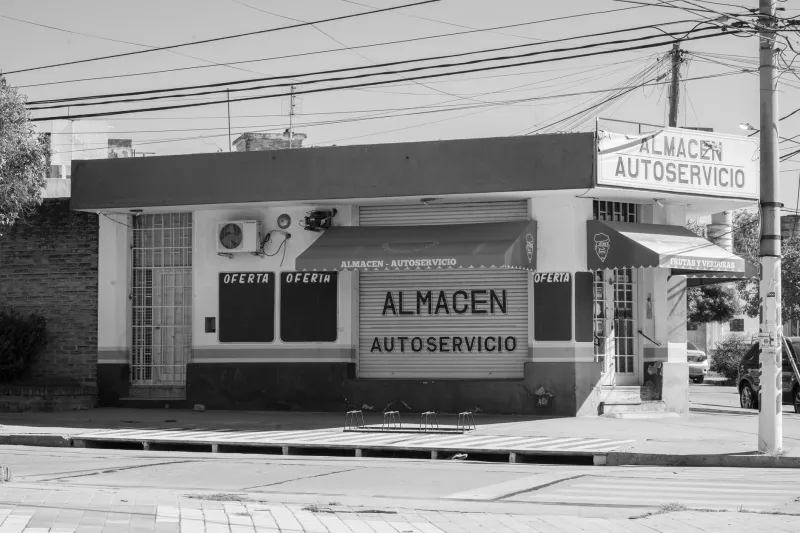
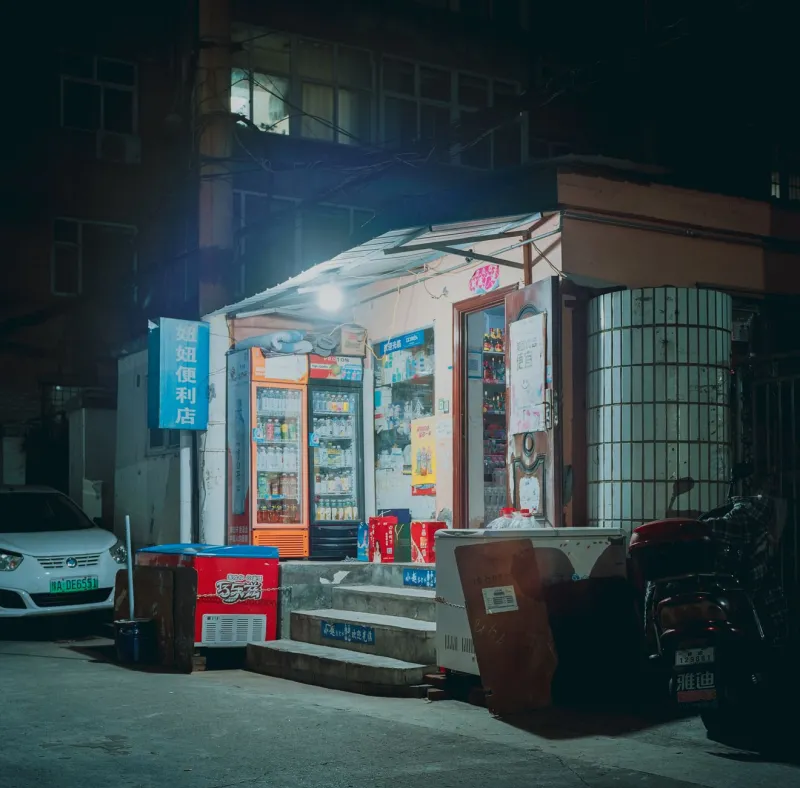
There's a photo that's been circulating in group chats for months now: the corner store in the Bronx where a young Big Pun used to cop his bacon egg and cheese, now a glass-fronted coffee spot selling $9 cold brew. The caption under it just says "RIP." No explanation needed.
That's the story right now, all across the country. The places that made regional rap sound the way it sounds — the Memphis dollar stores where Three 6 Mafia tapes got passed around, the Houston swap meets, the Oakland sideshows, the Detroit open houses — they're getting priced out, zoned out, and leased out. And nobody in a planning commission meeting ever says the words "hip-hop heritage" out loud.
You Can't Record in a Condo
Talk to venue owners and the math is brutal. A small club that hosts four rap nights a week might clear $600 on a good Saturday. The landlord can get that in square footage from a co-working space or a fitness studio without a single noise complaint, without a liquor license headache, without a 2 a.m. crowd spilling onto the sidewalk.
One owner in Memphis — he asked not to use the club's name because he's still negotiating his lease — put it to me plain: "They're not shutting us down. They're just waiting us out. Every year the rent goes up a little more until the only people who can afford the block are the people who don't need it."
That's the quiet part. Gentrification rarely looks like bulldozers and eviction notices in hip-hop's story. It looks like a rent hike. A new management company. A "vibrancy initiative" that requires a $2 million insurance policy for live music. The scene doesn't get killed — it gets priced into extinction.
The Sound Was the Address
Here's what the urban planners miss: regional rap isn't just about people. It's about places. The lo-fi grit of early Memphis wasn't an aesthetic choice — it was a $200 drum machine recorded in a house with thin walls. The chopped-and-screwed sound of Houston came from a city where you drove everywhere, slow, with time to kill. The bounce of New Orleans lived in specific projects, specific avenues, specific second lines.
Erase the geography and you don't just lose venues. You lose the conditions that produced the sound. When the block gets flipped, the next kid doesn't inherit a scene — they inherit a mixed-use development.
Artists I talked to in the Bronx describe it like a slow amputation. The studio in the basement of a storefront? Building sold, converted to apartments. The corner where everybody cyphered after the bus dropped them off? Now there's a luxury gym with a security camera pointed right at the sidewalk. "You can't even stand outside anymore," one rapper told me. "Somebody's calling the cops in ten minutes."
The Great Suburban Migration
But here's the part nobody's writing about enough: the music didn't die. It moved.
Underground rap is quietly relocating to second-ring suburbs and exurbs — the strip malls twenty minutes outside the city where rent is still $800 and nobody's checked the ID of a 19-year-old with a backpack full of CDs. Raleigh instead of Atlanta's core. San Bernardino instead of LA proper. The Miller Beach side of Gary instead of Chicago proper.
The new geography is weird and it's working. Warehouse shows in industrial parks. House parties in cul-de-sacs where the neighbors call the cops at midnight instead of ten, which buys you two extra hours. Studio setups in garages that used to hold a lawn mower. One promoter in suburban Maryland runs rap shows out of a defunct bowling alley's league room — 300 capacity, cash bar, no permit questions asked.
The sound is changing too, the same way it always does when the geography changes. Less city grit, more sprawl. Suburban dread hits different than block menace, and you can already hear it in the underground — rapping about long drives, dead malls, being twenty minutes from everything.
What Gets Lost Can't Be Streamed
Look, some of this is just the natural cycle. Scenes have always moved. Hip-hop left the Bronx for Harlem, left Harlem for Queens, went digital and never looked back. Nobody's owed a permanent zip code.
But there's a difference between a scene evolving and a scene being evicted. The first is growth. The second is erasure with a nice lobby. And when the physical infrastructure of regional rap — the stores, the venues, the corners — gets wiped out in a decade, we lose something the algorithm can't archive: the specific place-based truth that made a Memphis tape sound like Memphis and nothing else.
The artists will adapt. They always do. They'll build in the suburbs, in the warehouses, in the leftover spaces the developers haven't gotten to yet. But the next time you hear a track that sounds like it came from somewhere real — an actual block, an actual corner, an actual room with bad acoustics and good intentions — know that the somewhere is getting harder to find every year.
The corner store era is ending. What comes next might be just as hungry. It just won't have an address you can point to.