The Second Microphone Problem: Underground Rap's Unpaid Hype Man Is Going Extinct
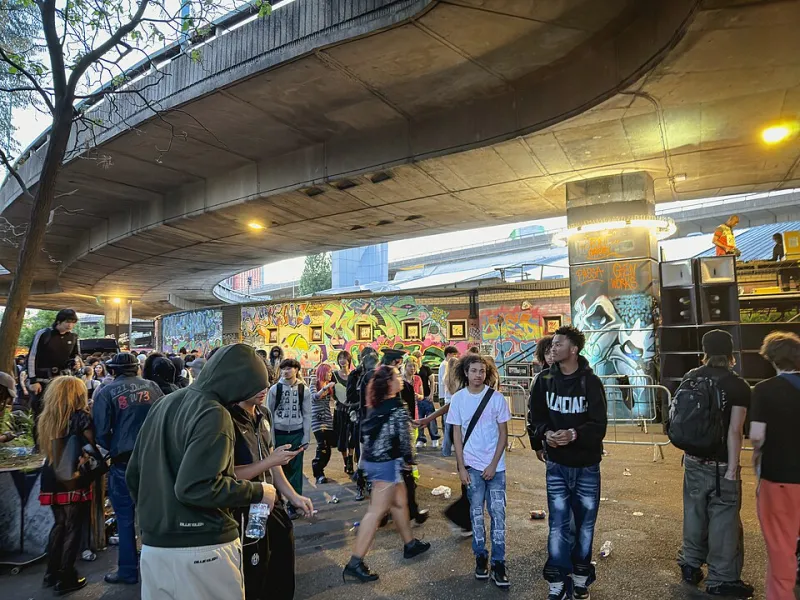
Photo: Gauzecard, CC0, via Wikimedia Commons
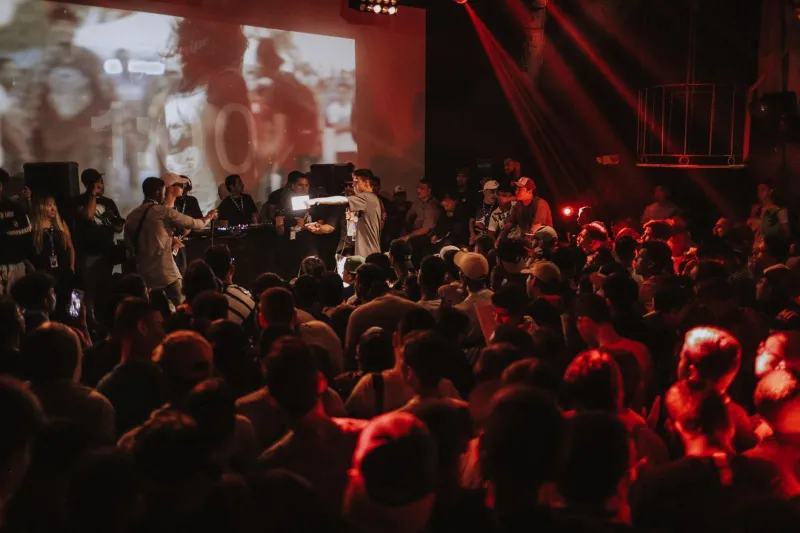
There is a specific sound in underground rap that never makes it onto the record: somebody off to the side of the stage, leaning into a second microphone, yelling the ad-lib a half-beat before the rapper does. It is not pretty. It is not mixed. It is usually the same guy who drove the van, printed the flyers, and counted the door money into a shoebox at 1:40 a.m. And in 2026, he is becoming harder to find than a working payphone.
The hype man is not a nostalgia act. He is a job — or at least he used to be. He is the childhood friend who knows every breath in the catalog, the one who can carry a chorus when the rapper's voice goes, the human thermostat who tells a cold room to move and a hot room to back up. But the economics of the underground have shifted. Backing tracks are cleaner. Solo branding is tighter. Door splits are leaner. And the second microphone is often the first thing to get cut.
The Friend Who Learned Every Ad-Lib
Most hype men do not get hired. They get grandfathered in. They are the cousin who was at the first recording session, the friend who sat in the parking lot while the verse got rewritten for the ninth time, the one who knows which songs need the crowd to shout the last word and which ones need silence. That history is the job description.
It is also the problem. Because that history is rarely written into a contract, a split sheet, or even a group chat with a clear payment plan. The hype man is paid in proximity — close enough to the stage to feel like part of it, far enough from the money to never get a real number. He learns every ad-lib because he was there when it was invented. He runs the merch table because somebody has to. He drives the van because somebody has to. And when the night ends, he gets paid last, if at all.
In a scene that talks constantly about ownership, the hype man is often the one person in the room with no piece of anything.
Backing Tracks Don't Sweat
Part of the disappearance is technical. A laptop can now do what a second person used to do: drop the ad-libs, double the hook, fill the dead air, trigger the sound effects. For a rapper traveling solo, that is freedom. No split, no schedule conflict, no friend who needs a ride. Just a session file and a USB-C cable.
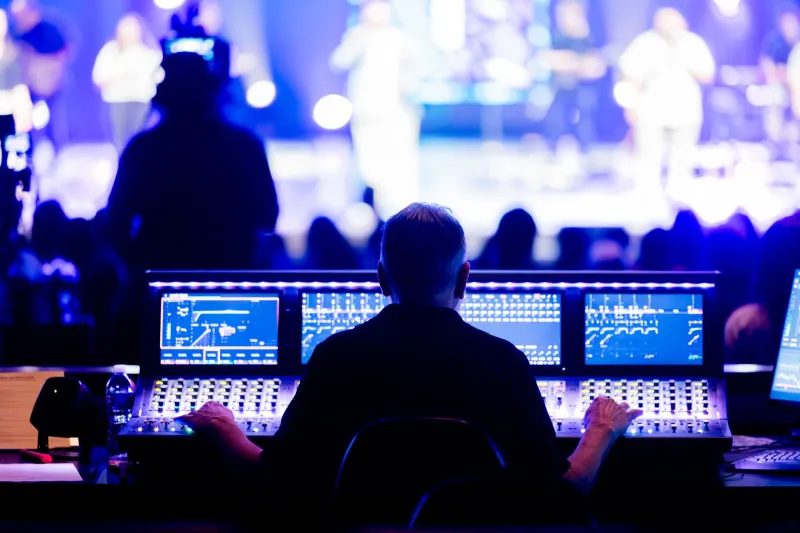
But a backing track cannot read a room. It cannot see that the crowd is drifting left, that the sound guy is fighting feedback, that the rapper just forgot the second verse because somebody in the front row yelled a request. It cannot step in front of a dead mic and turn a stalled show into a chant. The best hype men are not louder versions of the artist. They are live editors — cutting, filling, and translating in real time.
That is why the loss is not just sentimental. A good hype man can save a bad night. A backing track can only repeat the bad night exactly as programmed.
The Door Split Math
Ask anybody who has booked a 150-cap room in 2026 and they will tell you the same thing: the margin is thinner than a rolling paper. Gas, parking, sound, flyers, the cut to the venue, the cut to the door person, the cut to whoever brought the PA. By the time the headliner sees a number, the idea of paying a second person a fair share starts to look like a luxury.
So the hype man gets folded into other roles. He is the merch guy. He is the load-in. He is the driver. He is the videographer for the clips that will hopefully sell the next show. He is paid in gas money and a plate, and everybody agrees that this is just how it works. Until it doesn't. Until the friend gets a job with benefits, or a girlfriend who is tired of the 3 a.m. texts, or a simple realization that loyalty is not a currency that pays rent.
The underground has always run on favors. But a favor is not a business model. And when the same person is asked to be the opening act, the roadie, the hype man, and the social media manager for a hundred dollars and a shout-out, the pipeline starts to leak.
What Gets Lost When the Wings Go Quiet
Go to a show with a real hype man and you can feel the difference in the first eight bars. The crowd does not have to decide whether to engage. The second mic decides for them. It pulls the front row into the chorus, covers the pocket when the rapper needs a breath, and gives the room a second focal point when the stage is just a guy and a laptop.
That is not decoration. It is infrastructure. The hype man is the bridge between the artist's ego and the crowd's energy, and bridges do not maintain themselves. When the role disappears, the show does not just get quieter. It gets more fragile. The artist has to carry every moment alone, and the audience can feel the strain.
Paying the Second Mic
There is no clean solution, because there is no clean money. But there are ways to stop pretending the work is free. Put the hype man in the door split. Give him a line on the merch table. List him on the stage plot. Pay him before the headliner buys the post-show meal. If the budget truly cannot cover a second person, be honest about it and rotate the role instead of letting one friend absorb the entire cost of the tour.
The underground loves to talk about keeping it real. Keeping it real means paying attention to who is actually keeping the show alive. The hype man is not a leftover from a different era. He is the proof that the room is not just a playlist with a pulse. Somebody has to scream every word from the wings. In 2026, somebody should also be paid to do it.