Fader Hands: The Volunteer Techs Who Decide Whether the Basement Show Sinks or Swims
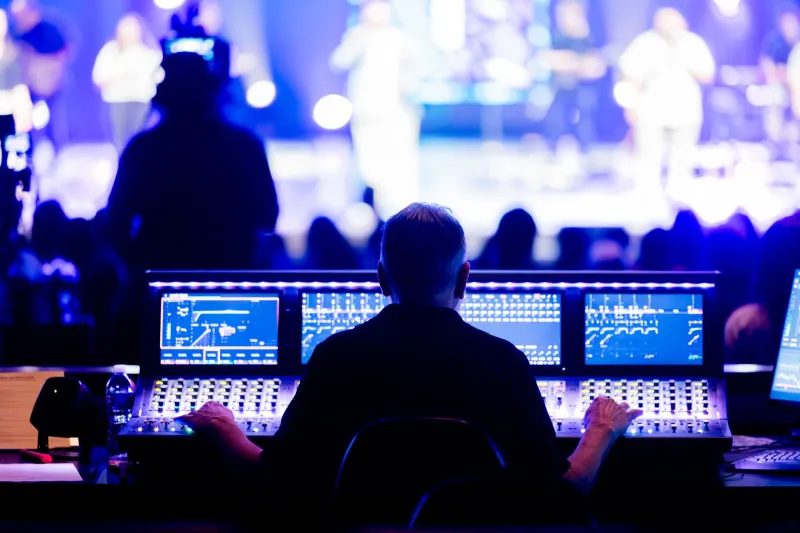
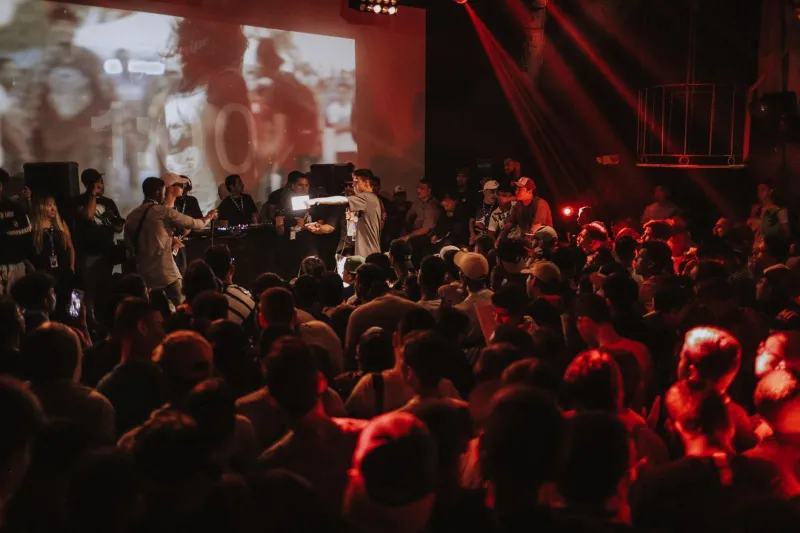
The show was supposed to start at 8:40. At 8:37 the vocal mic made a sound like a fax machine dying, and about forty people in a VFW hall in Cleveland turned toward the back of the room. Marisol 'Soli' Vega didn't look up. She was already on her knees behind the PA, tracing a cable that somebody's cousin had stepped on during load-in. Two minutes later the feedback was gone, the beat came back through the monitors, and the rapper onstage acted like nothing had happened.
That's the job. Nobody claps for it.
Every underground rap show in America runs on a version of this scene. The flyer lists four rappers and a DJ. The real bill includes a person who owns the speakers, knows which outlet is grounded, and has a bag of XLR cables in their trunk that is worth more than the night's door. They are not paid like staff. They are not credited like artists. They are the reason the room can hear anything at all.
Three Engineers, One Cable Bag
Soli Vega is twenty-nine, works days at a tire shop, and has been running sound for basement shows and barbershop sessions around Cleveland for six years. Her rig is modest: a twelve-channel mixer, two powered speakers, four wedges, a box of cables, and a power strip she labels 'DO NOT LET COMEDY GUYS TOUCH.' She started because her cousin's group had nowhere to plug in. 'I wasn't trying to be a sound person,' she says. 'I was trying to make my people audible. Then everybody started calling me the sound guy.'
On a good night she takes home forty to seventy-five dollars from a door split. On a bad night she takes home a gas station coffee and a plate of somebody's aunt's rice. She has replaced two speaker drivers this year. Each one cost more than she made at the show where it blew.
Dee Whitlock, thirty-four, runs a monthly rap night in the back room of a taqueria in San Antonio. He doesn't charge a fee. He keeps a tip jar on the mixer table and a running list of gear he has fried: three power amps, one mixer, an untold number of cables. 'The scene thinks the promoter is the infrastructure,' Whitlock says. 'The promoter books the room. I make the room a room. Without a PA, it's just a bunch of people standing near a freezer.'
Trey Anchondo, twenty-six, started as a rapper in Baltimore and became the engineer because nobody else would do it. Now he works three or four shows a month and keeps a spreadsheet of replacement costs. 'The cable bag is the whole scene,' he says. 'You can have a great lineup and a great room and if one channel goes down, the night is over. The cable bag decides.'
What the Table Actually Costs
A DIY sound rig is not free, even when the labor is. A used pair of powered speakers runs six hundred dollars. A decent mixer is two hundred and fifty. Six working XLR cables cost sixty bucks. Monitors, DI boxes, extension cords, gaff tape, and replacement drivers add hundreds more. Then there's the van gas, the parking ticket you eat because load-in takes twenty minutes, and the three hours of setup and teardown that nobody sees.
At a three-hundred-dollar door, split five ways, the engineer gets sixty bucks. Sometimes less, because the promoter needs gas money or the headliner needs a motel room. Sixty dollars for five hours of skilled labor and a thousand dollars of gear is not a wage. It's a gesture.
The gesture matters, though. It's the difference between a show that sounds like a show and a show that sounds like a phone speaker in a trash can. It's also the difference between a venue that invites the scene back and a venue that never returns your calls.
The Invisible Labor of Hearing People
The engineer is the first person to arrive and the last to leave. They are the one who tells the opening act that the mic is fine, it's their projection. They are the one who calmly talks to the drunk guy who wants to 'help' by turning up the master. They are the one who knows the room's electrical load and the one who gets blamed when the beat drops out because somebody kicked the power strip.
There is no workers' comp for a blown eardrum. There is no overtime for the hour after the show when everyone else is outside smoking and the engineer is coiling cables in the dark. The scene treats this as a favor because it has always been a favor. But favors have a way of running out.
The Mixer Is the Venue
When people talk about infrastructure, they mean venues, promoters, radio, the algorithm. They forget the physical stuff: the cables, the speakers, the person who knows which channel is bad. That person is not a supporting character. They are the load-bearing wall.
When a sound engineer quits, the room doesn't just lose a technician. It loses a venue. The basement that hosted twelve shows a year goes quiet because nobody else has the gear or the patience to make it work. The scene doesn't collapse; it just gets smaller.
The guy with the XLR cable is not 'the sound guy.' He is the show. She is the room. They are the reason the door split exists at all.
Next time you're at a DIY rap show and the vocals cut through clean, look toward the back. Somebody is kneeling behind the PA, squinting at a channel light. Say thank you. Or better, help carry the speakers.