The Subwoofer Is the A&R: Why Rap's Parking-Lot Bass Test Still Rules
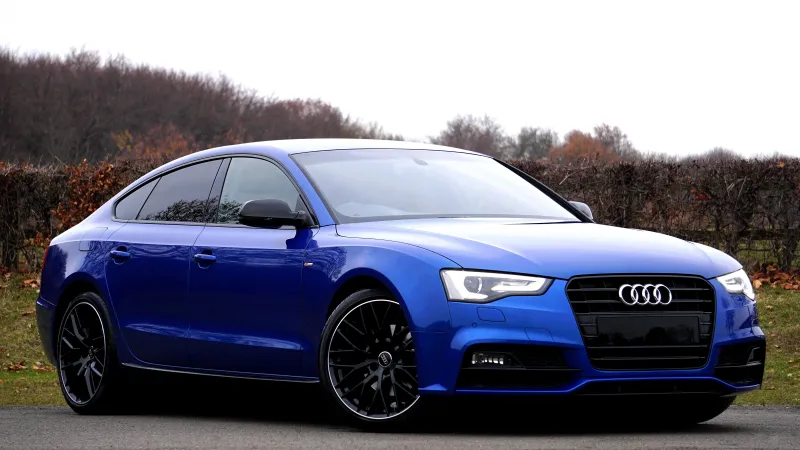
Photo: car trunk subwoofer parking lot night bass, via images.pexels.com
Pull up to the lot behind the tire shop on a Friday night and you will hear the A&R meeting before you see it. No laptops. No playlist curators. No conference call. Just a row of cars with the trunks open, a few guys standing around a 12-inch sub, and a song that either makes the rearview mirror shake or does not.
The trunk test is not a metaphor. It is a physical exam. The low end tells you if the 808 is lying. The kick tells you if the mix has room to breathe. The vocal tells you if the rapper knows where the pocket is or just rented one for the session. You can fool a phone speaker. You cannot fool a ported box in a Civic with the back seat folded down.
The Ritual
Every city has a version. In Houston, it is slabs and slabs of low end, the kind of bass that rolls through a parking lot like weather. In Memphis, it is trunk-rattling menace, the sub doing half the storytelling. In Detroit, it is stripped-down and cold, the bass hitting like a door slamming. In Miami, it is faster, brighter, built for heat. In the Bay, it is mob music and subwoofers that sound like they were installed by a guy who also does electrical work on the side.
The ritual is always the same. Somebody pulls up. Somebody says, 'Let me hear that.' The engine cuts. The trunk opens. The phone connects. The first eight bars play, and everybody waits. If the bass hits, the heads nod. If the bass is muddy, the heads stop. Nobody says anything mean. Nobody has to. The silence is the review.
Why Bass Travels
Car audio is underground rap's oldest distribution network. Before streaming, before YouTube, before the group chat, the way a song traveled was through the trunk. A DJ played it. Somebody recorded it. Somebody played it in a car. The car made it physical. The physical made it memorable. The memorable made it spread.
That has not changed as much as people think. A track can go from a car meet to a phone video to a group chat to a playlist in a weekend. But the order matters. The trunk comes first. The stream comes later. If the song fails the trunk test, it rarely survives the algorithm. Not because the algorithm has ears—it does not. Because the people who push the song through the algorithm are the same people who were standing in the parking lot.
The Algorithm Cannot Hear the Trunk
Streaming compresses. Phone speakers lie. Headphones flatter. A track can pass the playlist test and fail the block. The bass can be clean on a laptop and dead in the whip. The vocal can sit perfect in the car and disappear on a phone. The mix that sounds expensive in a studio can sound cheap in a parking lot because the parking lot is where the song has to live.
Artists know this. Engineers know this. The smart ones test mixes on three systems: a phone, a pair of headphones, and a sub in a car that has no business still running. They do not trust the link until they hear it through the trunk. They do not trust the reaction until they see the mirror shake.
The trunk test is also a bullshit detector. It exposes a rapper who is whispering because the beat is doing all the work. It exposes an engineer who compressed the low end into a brick. It exposes a song that is all hook and no weight. The parking lot does not care about your rollout. It cares about whether the sub moves.
The Limits
Not every song needs bass. A lot of underground rap is quiet, interior, built for headphones and late-night walks. The trunk test is not the only test. But when a song is built for the car—and a lot of rap still is—the parking lot is the fairest room in the city. It is not a boardroom. It is not a blog. It is a bunch of people standing around a car, listening, deciding.
That is why the subwoofer is still the A&R. It does not have a budget. It does not have a calendar. It does not care about your release strategy. It just tells the truth. And in underground rap, the truth is still the only currency that spends.