Tuesday Night A&R: The Coffeehouse Scouts Running Hip-Hop's Real Pipeline
Photo: WarmaFiesta, CC BY-SA 4.0, via Wikimedia Commons
Nine People, One Microphone, All Eyes
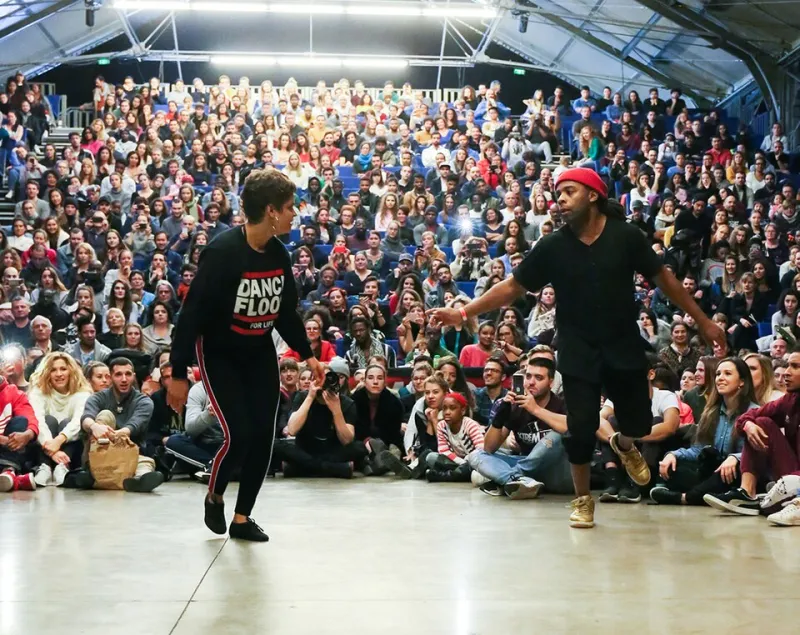
It's 8:47 on a Tuesday night at a coffee shop on Detroit's west side. Nine people in the room, three of them waiting for their turn at the mic, one barista who couldn't care less. Then a 24-year-old named Marcus steps up with no beats, no hype man, just a notebook and a story about his uncle's eviction. Four minutes later, the barista cares. The booker in the back corner cares. Two weeks later, Marcus has a paid slot on a three-city run through Ohio.
No label involved. No A&R. No playlist pitch. Just a guy who runs an open mic and knows somebody who books a venue in Columbus.
This is how it actually works now, and most artists are still sleeping on it because it doesn't come with a blue check or a co-sign tweet.
The Pipeline Moved, Nobody Announced It
Here's the history nobody likes to admit: the old system was never as glamorous as the documentaries made it look. A&R reps sat in smoky clubs with business cards. The club is gone. The business card is gone. But the function never died — it just decentralized.
Now the function lives wherever people gather to listen without a algorithm deciding who they hear:
- Open mics and poetry slams — the purest test there is. No beat to hide behind, no auto-tune, no forty-second TikTok hook. You hold a room or you don't.
- Barbershop cyphers — the oldest talent showcase in Black America, now occasionally filmed on a phone mounted on a clipper station.
- Community college showcases — cheap rooms, hungry crowds, zero gatekeeping.
- Church talent nights that drifted secular — the training ground nobody puts on their press kit.
The people running these rooms have quietly become the most important scouts in the culture. They see everyone. They see who shows up three weeks in a row. They see who practices in the corner before their name gets called and who's just there for content.
What the Venue Owners Actually Know
I talked to owners and bookers in Atlanta, Detroit, and Houston — small spots, 50 to 200 capacity, the kind of places where the sound guy doubles as security. Every single one said the same thing: they can spot a real artist in one song, and they've sent more artists onto tours and festival undercards than any demo submission inbox ever has.
Their criteria, distilled:
- Do they watch the other acts? If you perform and bounce, you're a hobbyist. If you stay, you're building a scene.
- Can they hold a quiet room? Anybody can rap over a 808. Silence is the audition.
- Do they bring two people or twenty? Doesn't matter the number — what matters is whether it grows every month.
- Are they easy to pay? Sounds cold, but the artists who get rebooked are the ones who show up on time, don't break the mic, and don't argue about the door split.
That last one matters more than talent, honestly. The room remembers professionalism because it almost never sees it.
From Open Mic to Opening Slot: The Math
The path from a coffeehouse set to a regional tour isn't a mystery — it's a ladder with about six rungs:
Rung one: Free open mic. You're paying dues, period.
Rung two: Featured slot, maybe $50 and dinner. This is where you learn to do a real 15-minute set instead of one song and a prayer.
Rung three: Local showcase, $100-150. Now you need actual production values. A USB backup. A setlist.
Rung four: Regional undercard. Somebody saw you at rung three and you're opening in a different city. Travel money only. This is where careers are made or abandoned.
Rung five: Direct support on a small tour. Splits on merch. Your first real fan outside your zip code.
Rung six: You're headlining rooms the size of the coffeehouse you started in, except now there are 300 people in it.
Marcus did rungs one through four in fourteen months. Not because he's a prodigy — because he treated every Tuesday like a board meeting.
Why This Matters More Than Your Streaming Numbers
Here's the street truth: streams can be bought, botted, and faked. A Tuesday night crowd cannot. When forty strangers in a coffeehouse stop talking mid-verse, that's data no dashboard can manufacture.
The artists winning right now aren't the ones chasing label meetings. They're the ones who found their local room, showed up every week, made the booker's job easy, and let the ladder do what ladders do.
The A&R office isn't dead. It just smells like espresso now.
Find your Tuesday. Put in your four minutes. Then come back next week and do it again.