You Can't Buy the Block: The Algorithm Still Doesn't Know What a Anthem Sounds Like

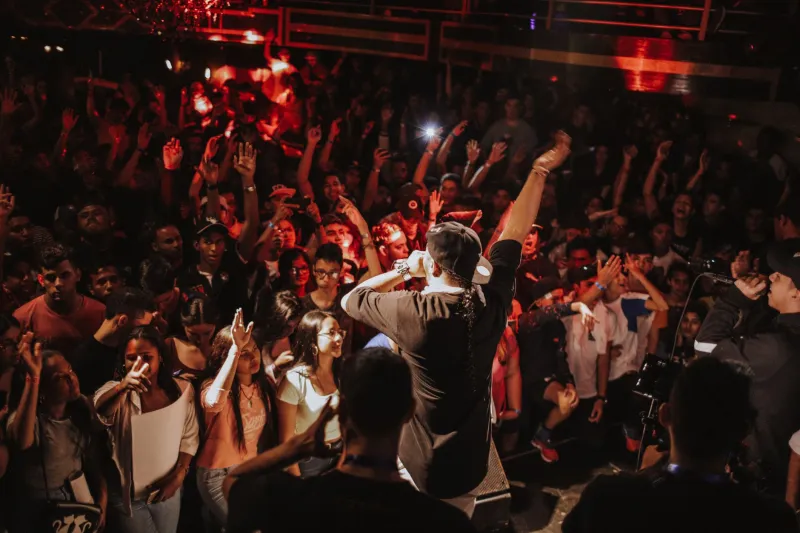
There's a sound that no marketing budget has ever figured out how to fake. You know it when you hear it — or really, you know it when you see it. It's the record that comes on at the cookout and half the park stops mid-conversation. It's the one the corner store owner plays twice in a row because the customers ask. It's the song every cousin on the block already knows word for word before it's ever touched a playlist.
We call it a block anthem, and the industry has spent the last five years trying to manufacture it like a product. They can't. Here's why.
The Algorithm Optimizes for Attention, Not Belonging
TikTok can make a sound blow up in fifteen million feeds overnight. What it can't do is make fifteen million people feel like the song belongs to them. Virality spreads. Belonging sticks.
A block anthem isn't loud because the mix is loud. It's loud because it's attached to real geography — the deli on the corner, the gas station where everybody meets up, the block party that's been happening every August since before the artist was born. When a record names your neighborhood, rides past your uncle's house in the video, or quotes something only people from your side of town say, that's not content. That's a flag.
An algorithm reads that as a niche. But a niche is something you're assigned. A block is something you claim.
I Asked the Ones Who Did It
I talked to a few local legends for this piece — cats whose records took over whole neighborhoods without a single dollar of promotion — and the pattern was identical across every conversation.
One artist from the Eastside told me his record spread because he'd burn it to CDs and hand them out at the car wash, then sit back and see which songs came back to him. "You don't push a block anthem," he said. "You drop it and the block pushes you. If it don't come back around, it wasn't never yours."
Another one, a veteran from a small city the industry can't even spell right, put it even simpler: "The internet tells you what's popular. The block tells you what's real. Those ain't the same thing and never been."
That's the whole gap right there. Popularity is a number. Realness is a relationship. And relationships don't scale.
Why the Labels Keep Whiffing
The industry approach to organic hits looks like this: find a song that already popped locally, reverse the components, and rebuild it at scale. More of the same beat pattern. Same cadence. Same slang. Same challenge format.
It never works, and here's the reason nobody in a boardroom wants to hear: the ingredients weren't the recipe. The recipe was proximity. The artist was there. They lived it, they recorded it around the corner from where it happened, and the first hundred people who heard it could verify every bar against their own lives.
You can't A/B test your way into being from somewhere.
The Corner Store Is the Real Chart
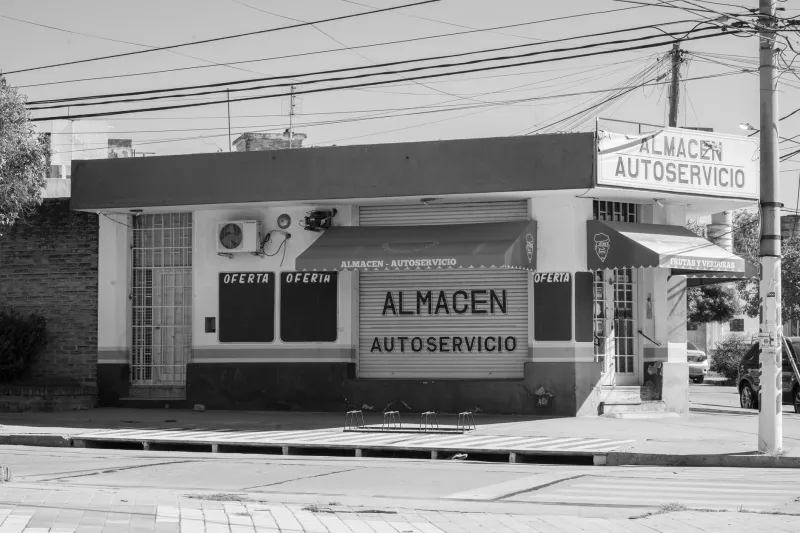
If you want to know what a neighborhood actually listens to, don't open Spotify. Go stand in the corner store on a Saturday afternoon. Watch what the guy behind the counter plays without being asked. Watch what makes the teenagers in the back pull their phones out to Shazam — or better, what makes them already know every word.
That's the real chart. It has no dashboard and no analytics, and it has never once been wrong about a neighborhood.
The artists who understand this stop chasing numbers and start chasing presence. Show up at the block party before you have a single. Pull up to the store when you drop. Let the block be the first audience, not the last one you beg on social media.
The Bottom Line
Every generation, somebody tries to industrialize the block anthem, and every generation, the block produces a new one anyway — on its own clock, on its own terms, out of a trunk speaker or a phone video shot sideways at 11 p.m.
The trend dies in three weeks. The anthem outlives the label that passed on it. And the corner store is still playing it on repeat.
You can't buy the block. You can only earn it — one play, one park, one summer at a time. That's the algorithm nobody's cracked, because it was never an algorithm at all. It's a relationship.
Stay close to the ground. That's where the truth still lives.